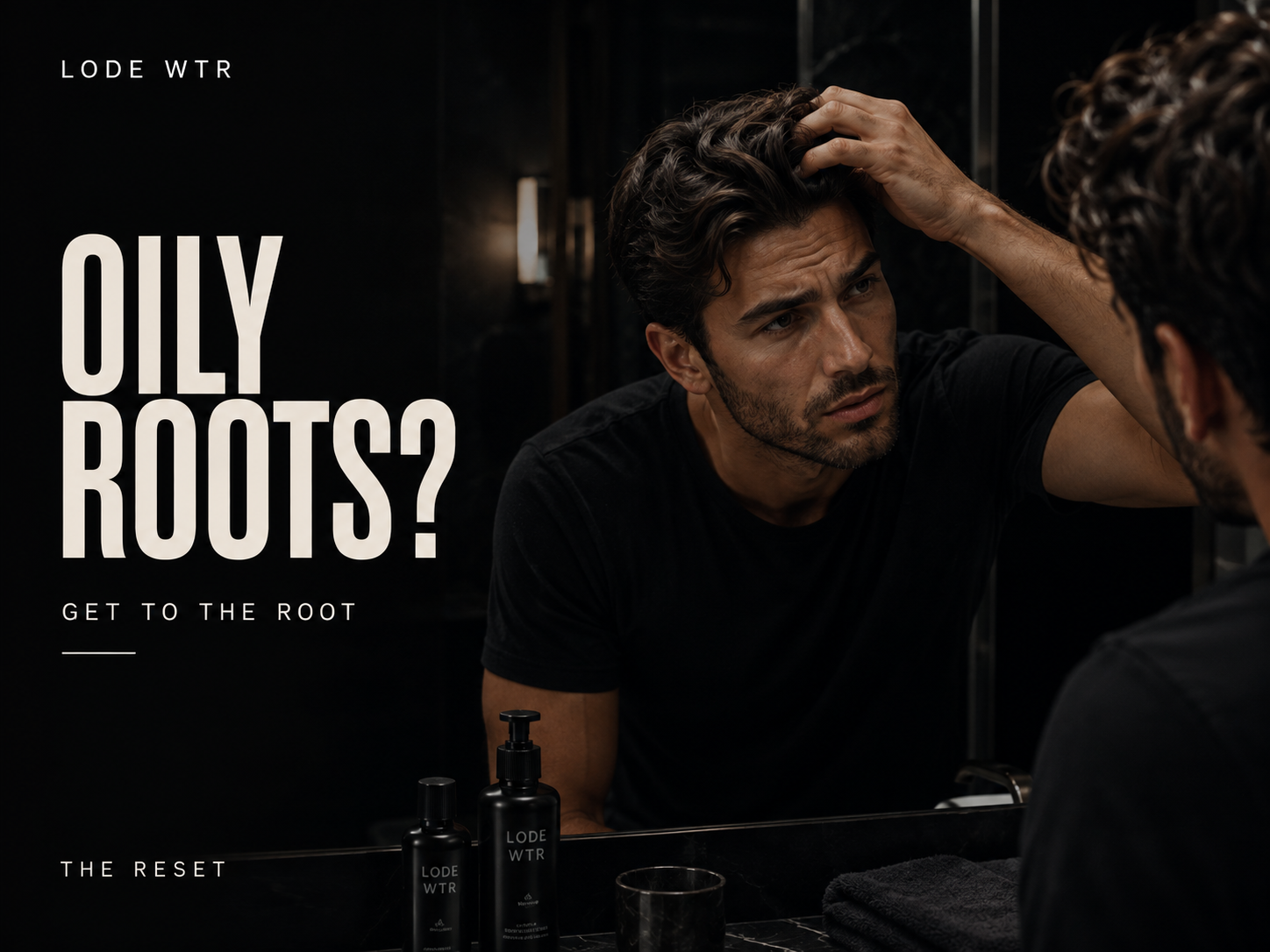
You washed your hair.
Actually washed it.
Shampoo.
Rinse.
The whole operation.
And yet a few hours later, your scalp somehow doesn’t smell as fresh as you expected.
Maybe you notice it when you run your fingers through your roots.
Maybe after a workout.
Maybe when you take your hair down at the end of the day.
And naturally, the first thought is:
Did I not wash properly?
Possibly.
But scalp odor isn’t always about being “dirty.”
Your scalp is an active environment filled with oil, sweat, skin cells, hair products and microorganisms that naturally live on the skin.
When all of those things mix together — particularly in a warm, humid environment underneath dense hair — things can start smelling less than fresh.
So before you shampoo three more times, let’s look at what might actually be happening.
Why Does Your Scalp Develop an Odor?
Your scalp produces sebum, the natural oil that helps lubricate your skin and hair.
You also sweat.
Then you add:
- Shampoo
- Conditioner
- Styling products
- Dry shampoo
- Hair oil
- Leave-ins
- Environmental residue
Your scalp is basically running a very small chemistry lab.
Normally, regular cleansing keeps everything under control.
But when sweat, oil and product residue accumulate, the scalp can develop an odor.
And sometimes that happens faster than expected.
1. Sweat Is Sitting Around Your Roots
Let’s start with the obvious one.
Your scalp sweats.
A lot more than you may notice.
Hot weather.
Exercise.
Sleeping.
Wearing hats.
Running around all day.
All of these can create moisture around your roots.
Sweat itself isn’t always strongly odorous when it first appears.
But when it stays on the skin and mixes with oil and microorganisms naturally present there, odor can develop.
This is why your scalp can smell completely fine after washing and noticeably different after a sweaty afternoon.
Especially if you have thick or dense hair that holds moisture close to the scalp.
The solution isn’t necessarily to panic-wash after every drop of sweat.
But it’s worth recognizing when your scalp genuinely needs cleansing rather than another layer of product.
Read next: Post-Workout Scalp Care: How to Handle Sweat Without Overwashing.
2. Oil Is Building Up Faster Than You Think
Sebum is normal.
Your scalp is supposed to produce it.
But when oil accumulates around the roots, it can mix with sweat, product residue and everything else sitting on your scalp.
That combination may develop an odor more quickly than freshly washed hair.
If your scalp gets greasy fast, you may notice the smell appearing around the same time your roots begin to look:
- Flat
- Shiny
- Separated
- Heavy
- Oily
This doesn’t mean your scalp is “gross.”
It means your natural oil is accumulating.
Some people simply need more frequent cleansing than others.
Read: Why Does My Scalp Get Greasy So Fast? 8 Reasons Your Roots Turn Oily.
3. Product Buildup Isn’t Fully Washing Away
This is where things get sneaky.
Maybe your scalp isn’t only carrying oil and sweat.
Maybe it’s carrying yesterday’s styling products too.
And the day before that.
Think about your routine.
You may be applying:
- Dry shampoo
- Texture spray
- Hair oil
- Styling cream
- Leave-in conditioner
- Hairspray
- Root powder
Then you wash.
But if everything isn’t fully removed, some residue may stay behind.
Now add fresh oil and sweat.
Suddenly your supposedly clean scalp doesn’t feel very fresh.
Buildup can make hair feel:
- Waxy
- Heavy
- Sticky
- Coated
- Greasy
- Difficult to rinse clean
If that sounds familiar, your problem may not be how much oil your scalp produces.
It may be what the oil is mixing with.
Read next: What Is Scalp Buildup? Signs, Causes and How to Reset Your Routine.
4. Dry Shampoo Is Covering the Problem Instead of Removing It
Dry shampoo is great at making hair look cleaner.
That is not the same as cleaning your scalp.
Let’s make that distinction very clear.
Dry shampoo can absorb some oil around the roots.
But it doesn’t necessarily remove:
- Sweat
- Sebum
- Styling residue
- Existing buildup
- The dry shampoo itself
So if your routine looks like:
Workout → dry shampoo → sleep → more dry shampoo → another workout → more dry shampoo
…your scalp is collecting layers.
Eventually, those layers may contribute to a less-than-fresh feeling or odor.
If your roots smell unusual and you’re several applications deep into dry shampoo territory, your scalp may simply be asking for water.
Read: Is Dry Shampoo Bad for Your Scalp? What Happens When You Use Too Much.
5. Your Scalp Isn’t Drying Properly
Wet hair can take a long time to dry.
Especially if you have:
- Thick hair
- Dense hair
- Long hair
- Curly hair
- Extensions
If your scalp stays damp for hours, you’re creating a warm, humid environment close to the skin.
The same can happen if you go to bed with wet hair.
Or tie damp hair into a bun.
Or put a hat over it.
That doesn’t automatically mean something is wrong.
But if you’re dealing with recurring scalp odor, pay attention to how long your roots remain wet after washing or exercising.
Your lengths can air-dry beautifully.
Your scalp still needs to dry too.
6. You’re Not Actually Reaching Your Scalp When You Wash
This one is surprisingly common.
You apply shampoo.
Massage the top.
Rinse.
Done.
But if you have thick or dense hair, the cleanser may barely reach parts of your scalp.
Especially around:
- The crown
- Behind the ears
- The back of the head
- The nape
- Underneath dense sections of hair
That means some areas can retain more oil, sweat and buildup than others.
Try separating the hair into sections when washing.
Focus on the scalp rather than simply coating the hair.
Use your fingertips.
Not your nails.
And rinse thoroughly.
You don’t need to scrub harder.
You may just need to cleanse more intentionally.
7. You’re Trying to Mask Odor With More Fragrance
Scalp smells weird?
Add scented dry shampoo.
Then hair mist.
Maybe perfume.
Maybe another styling spray.
The result?
Now you have scalp odor plus three fragrances fighting for dominance.
Masking an odor doesn’t remove whatever caused it.
And layering fragranced products around the roots can add even more residue to the scalp.
If your scalp regularly smells less than fresh, the useful question isn’t:
“What can I spray over this?”
It’s:
“Why is this happening so quickly?”
That’s the difference between covering the problem and understanding it.
Very Root of the Problem.
Can an Oily Scalp Smell Bad?
Yes, accumulated scalp oil can develop an odor, especially when mixed with sweat and other residue.
Sebum itself is a normal part of healthy scalp function.
The issue is accumulation.
That’s why people with oily scalps may notice odor sooner than people whose scalps remain less oily between washes.
It doesn’t mean you need to strip every trace of oil from your scalp.
It means your washing schedule needs to match your actual scalp.
Not someone else’s routine.
Why Does My Scalp Smell Right After Washing?
If the odor seems to return almost immediately, look at your washing routine.
Possible explanations include:
- Buildup that wasn’t completely removed
- Incomplete rinsing
- Heavy conditioner near the roots
- Damp roots that take a long time to dry
- Styling products applied immediately after washing
- Areas of the scalp that aren’t being cleansed effectively
You might also be washing frequently but not efficiently.
There is a difference.
More washing doesn’t automatically mean cleaner.
Better technique might matter more.
Why Does My Scalp Smell After Sleeping?
Your scalp spends hours against a pillow while you sleep.
During that time:
- Your scalp may sweat
- Oil continues to accumulate
- Your hair traps warmth
- Moisture can remain near the roots
Your pillowcase also collects oil, sweat, skincare products and hair products over time.
So if your scalp smells noticeably different in the morning, it may be worth looking at both your scalp routine and your bedding.
Simple?
Yes.
But scalp care doesn’t always need to involve a new serum.
Sometimes laundry is part of the routine too.
Can Hard Water Contribute to the Problem?
Hard water can leave mineral deposits on hair.
When those deposits combine with product residue and sebum, hair may feel harder to fully cleanse.
That doesn’t mean hard water directly creates scalp odor.
But buildup can make your routine less effective.
If your hair repeatedly feels coated immediately after washing, especially in an area with noticeable limescale, water quality may be another piece of the puzzle.
Read: Is Hard Water Wrecking Your Scalp? Signs, Buildup and What to Do About It.
How to Keep Your Scalp Feeling Fresher
If recurring scalp odor is mostly related to sweat, oil or buildup, start with the basics.
No 14-step scalp protocol required.
1. Actually Clean the Scalp
When you shampoo, focus on the roots.
Your scalp is where most oil, sweat and buildup accumulate.
Massage gently using your fingertips and make sure you’re reaching the entire scalp.
2. Rinse Longer Than You Think You Need To
Residual shampoo or conditioner isn’t helping.
Particularly with thick hair, take extra time to rinse the scalp thoroughly.
Move the hair around so water reaches underneath.
Thirty extra seconds can make a difference.
3. Don’t Put Everything on Your Roots
Your hair ends may benefit from rich conditioners, oils and leave-ins.
Your scalp may not.
Unless a product is intended for scalp application, consider keeping heavier formulas mainly on the lengths.
4. Don’t Use Dry Shampoo as a Permanent Solution
Dry shampoo can buy you time.
That’s useful.
But eventually your scalp needs actual cleansing.
If you’re trying to solve persistent odor with another spray, you may be postponing the real fix.
5. Dry Your Roots Properly
If your scalp stays damp for a long time, consider helping it dry faster.
Especially before:
- Sleeping
- Putting on a hat
- Tying hair tightly
- Going out in humid weather
Your roots don’t need to be aggressively heat-blasted.
Just don’t keep your scalp damp indefinitely.
6. Wash Pillowcases Regularly
Your scalp isn’t the only surface touching your hair.
Pillowcases collect:
- Oil
- Sweat
- Skincare
- Hair products
If you’re trying to keep your roots fresher, clean bedding is an easy variable to control.
7. Simplify the Routine
If your scalp smells quickly and you’re using six different products around your roots, reduce the variables.
Try less.
See how your scalp responds.
You can always add things back later.
That’s easier than trying to identify which of eight products is creating the problem.
Should You Wash Your Hair Every Day if Your Scalp Smells?
Maybe.
Maybe not.
There isn’t one correct schedule.
If your scalp becomes oily and sweaty every day and daily cleansing leaves it comfortable, that routine may work for you.
If daily washing makes your scalp feel:
- Tight
- Dry
- Itchy
- Irritated
…then simply increasing washing frequency may not be the best strategy.
The goal is not to survive as many days as possible without shampoo.
And it’s not to wash constantly either.
The goal is:
Clean scalp. Comfortable scalp. Sustainable routine.
That’s it.
When Scalp Odor Deserves More Attention
Sometimes scalp odor isn’t simply a routine problem.
If the odor is persistent or unusually strong — particularly when combined with:
- Significant itching
- Redness
- Pain
- Thick scaling
- Sores
- Oozing
- Sudden hair loss
…consider speaking with a dermatologist or healthcare professional.
Cosmetic scalp care can help with oil, sweat and product buildup.
It shouldn’t be used to self-diagnose an ongoing scalp condition.
Stop Covering Up What Your Scalp Is Telling You
There’s a pattern in modern hair care.
Roots look oily?
Cover them.
Scalp smells weird?
Spray something.
Hair feels coated?
Add something else.
Then eventually we need another product to remove all the products.
Maybe the better question is:
What if your scalp doesn’t need another cover-up?
Maybe it needs less sitting on it.
Better cleansing.
A simpler routine.
And a little more attention to what is actually happening at the root.
That’s the philosophy.
Function Over Foam.
Not more for the sake of more.
Fresh Hair Starts With the Scalp
Your scalp doesn’t need to smell like synthetic flowers twenty-four hours a day.
It does need a routine that manages oil, sweat and buildup effectively.
If odor returns quickly after washing, look beyond the fragrance.
Look at:
Your cleansing.
Your products.
Your workouts.
Your drying routine.
Your buildup.
Your wash frequency.
Because scalp odor isn’t just something to hide.
It’s information.
Less cover-up. Less buildup. More scalp.
Frequently Asked Questions
Why does my scalp smell even after I wash it?
Possible reasons include lingering product buildup, incomplete rinsing, sweat, oil accumulation, damp roots or products applied after washing.
If the odor is persistent or accompanied by significant scalp symptoms, consider seeking professional medical advice.
Can oily hair cause scalp odor?
Oil itself is normal, but accumulated sebum can mix with sweat, microorganisms and product residue, which may contribute to odor.
Can dry shampoo make your scalp smell?
Dry shampoo can absorb some oil, but it does not fully cleanse sweat or residue from the scalp. Repeated use can also contribute to buildup.
Why does my scalp smell after working out?
Sweat accumulates around the scalp during exercise and can mix with oil and product residue.
If you exercise frequently, your cleansing schedule may need to account for how much you sweat.
Can scalp buildup cause odor?
Accumulated oil, sweat and styling products can create an environment where the scalp feels less fresh.
If your roots also feel coated, heavy or waxy, buildup may be involved.
Why does my scalp smell after sleeping?
Sweat, oil, warmth and contact with your pillowcase can all contribute to morning scalp odor.
Washing pillowcases regularly and allowing the scalp to dry before bed may help.
Should I use perfume on my scalp?
Fragrance can mask odor temporarily, but it does not remove the underlying oil, sweat or buildup.
If scalp odor keeps returning, focus on the cause rather than covering it.
LODE WTR
Scalp care, stripped back.
Function Over Foam.
Minimal Not Basic.
Root of the Problem.
Rebellion With Receipts.


